Notice: Function _load_textdomain_just_in_time was called incorrectly. Translation loading for the acf domain was triggered too early. This is usually an indicator for some code in the plugin or theme running too early. Translations should be loaded at the init action or later. Please see Debugging in WordPress for more information. (This message was added in version 6.7.0.) in /home/patagoniaverdeor/public_html/web/wp-includes/functions.php on line 6131

Notice: Function _load_textdomain_just_in_time was called incorrectly. Translation loading for the wp-migrate-db domain was triggered too early. This is usually an indicator for some code in the plugin or theme running too early. Translations should be loaded at the init action or later. Please see Debugging in WordPress for more information. (This message was added in version 6.7.0.) in /home/patagoniaverdeor/public_html/web/wp-includes/functions.php on line 6131

Notice: Function _load_textdomain_just_in_time was called incorrectly. Translation loading for the instagram-feed domain was triggered too early. This is usually an indicator for some code in the plugin or theme running too early. Translations should be loaded at the init action or later. Please see Debugging in WordPress for more information. (This message was added in version 6.7.0.) in /home/patagoniaverdeor/public_html/web/wp-includes/functions.php on line 6131

Notice: Function _load_textdomain_just_in_time was called incorrectly. Translation loading for the wordpress-seo domain was triggered too early. This is usually an indicator for some code in the plugin or theme running too early. Translations should be loaded at the init action or later. Please see Debugging in WordPress for more information. (This message was added in version 6.7.0.) in /home/patagoniaverdeor/public_html/web/wp-includes/functions.php on line 6131
Piedra del Águila - Patagonia Verde

Piedra del Águila

Descripción

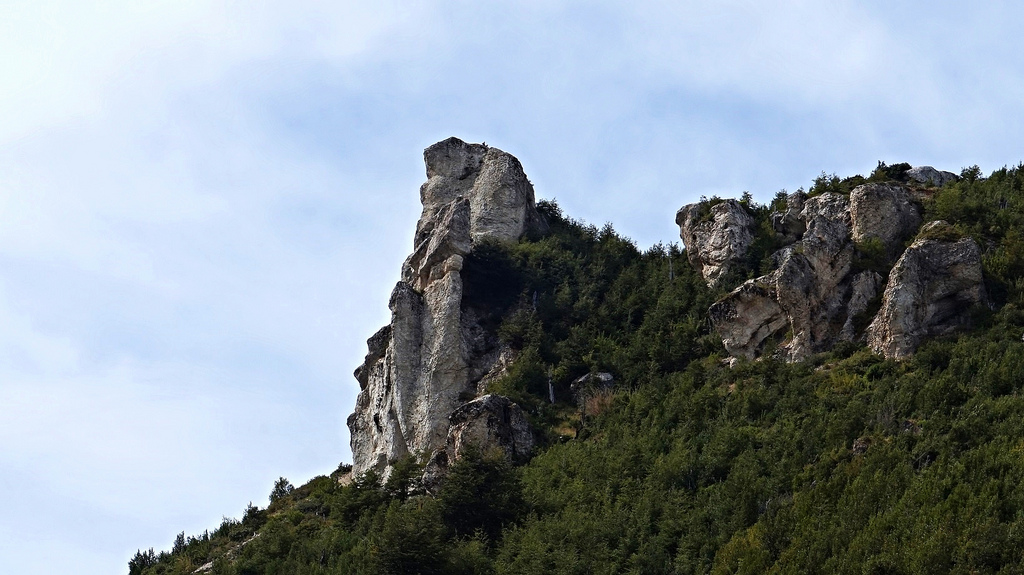
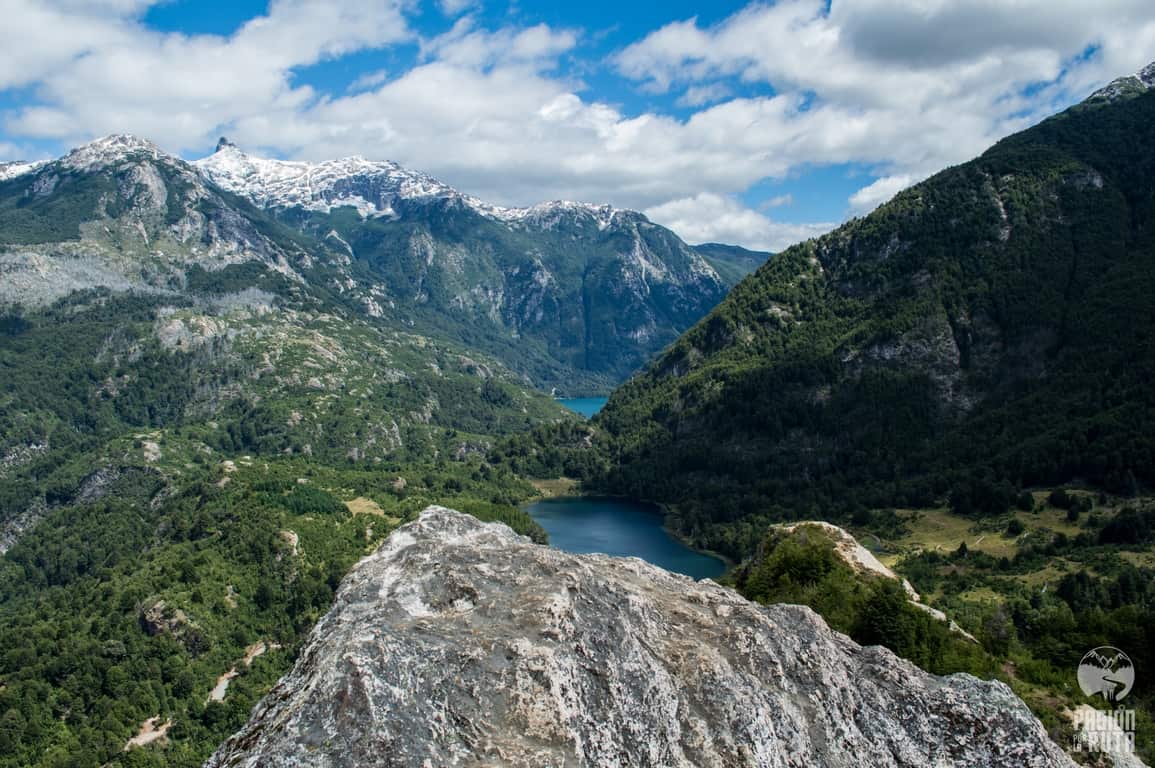
La Piedra del Águila es un monumento natural formado por rocas que sobresalen de manera abrupta en el paisaje, originando un excepcional mirador del valle de Futaleufú. Esto es resultado de la mayor dureza de estas rocas debido a sus altas concentraciones de sílice, obteniendo una mayor resistencia frente a los procesos erosivos. Esta piedra se habría formado por la intrusión de un magma en rocas preexistentes, lo que se conoce con
el nombre de dique. El enfriamiento y la solidificación de este magma dio origen a la Piedra del Águila.

Cómo llegar

Desde la plaza de Armas de Futaleufú es necesario recorrer 3,5 km al noroeste hasta llegar a una bifurcación que lleva hacia el norte. Este camino recorre alrededor de 1 km hasta llegar a la base de la Piedra del Águila

Mapa Ubicación

Galería de imágenes
1/2 piedra del aguila 2

2/2 piedra del aguila 4