Notice: Function _load_textdomain_just_in_time was called incorrectly. Translation loading for the acf domain was triggered too early. This is usually an indicator for some code in the plugin or theme running too early. Translations should be loaded at the init action or later. Please see Debugging in WordPress for more information. (This message was added in version 6.7.0.) in /home/patagoniaverdeor/public_html/web/wp-includes/functions.php on line 6131

Notice: Function _load_textdomain_just_in_time was called incorrectly. Translation loading for the wp-migrate-db domain was triggered too early. This is usually an indicator for some code in the plugin or theme running too early. Translations should be loaded at the init action or later. Please see Debugging in WordPress for more information. (This message was added in version 6.7.0.) in /home/patagoniaverdeor/public_html/web/wp-includes/functions.php on line 6131

Notice: Function _load_textdomain_just_in_time was called incorrectly. Translation loading for the instagram-feed domain was triggered too early. This is usually an indicator for some code in the plugin or theme running too early. Translations should be loaded at the init action or later. Please see Debugging in WordPress for more information. (This message was added in version 6.7.0.) in /home/patagoniaverdeor/public_html/web/wp-includes/functions.php on line 6131

Notice: Function _load_textdomain_just_in_time was called incorrectly. Translation loading for the wordpress-seo domain was triggered too early. This is usually an indicator for some code in the plugin or theme running too early. Translations should be loaded at the init action or later. Please see Debugging in WordPress for more information. (This message was added in version 6.7.0.) in /home/patagoniaverdeor/public_html/web/wp-includes/functions.php on line 6131
Hued-Hued del Sur - Patagonia Verde

Fauna Hued-Hued del Sur

Descripción

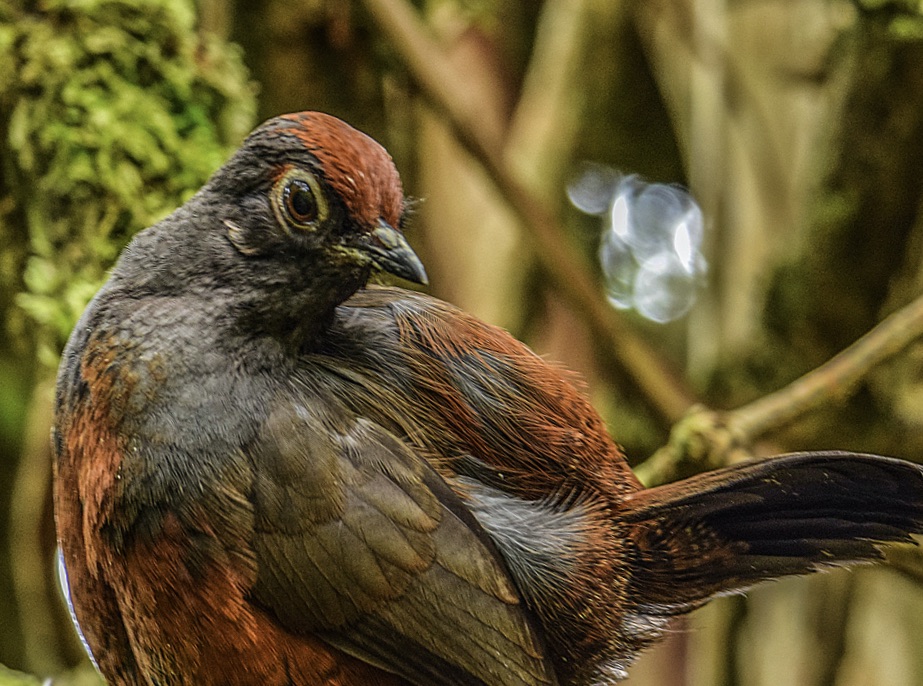
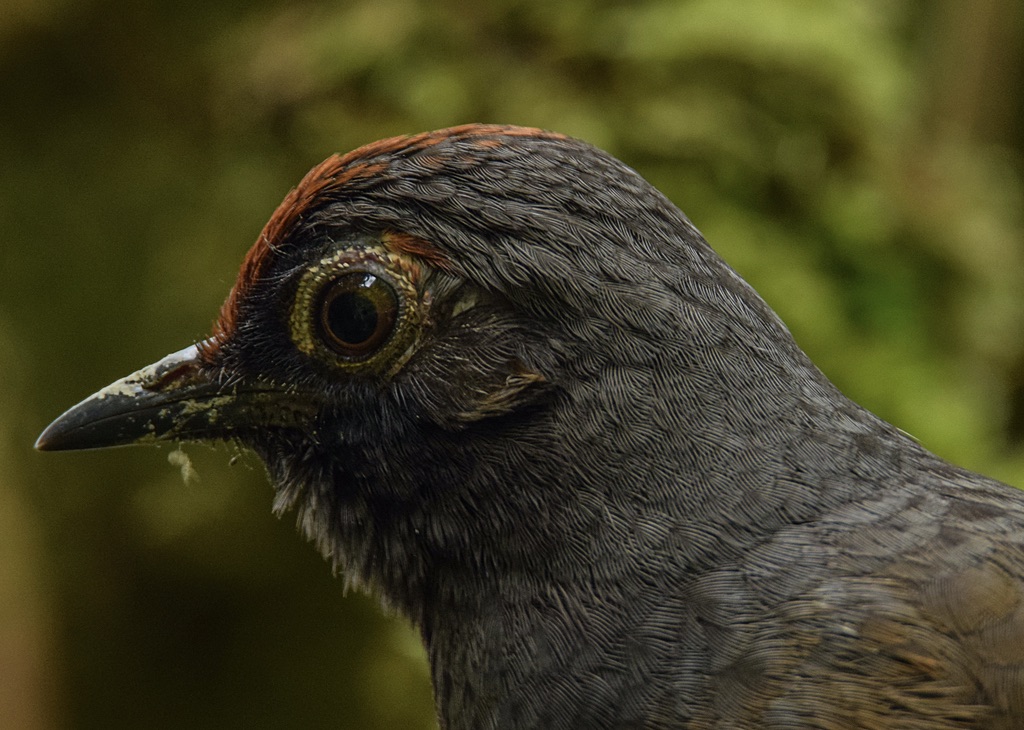
Identificación: L. 24 cm. El más grande de los tapaculos de los bosques templados al sur del río Bío-Bío. Pico y patas negruzcas; éstas últimas de dedos y uñas muy largas. Iris café rojizo. Contraste anillo orbital blanco sucio. Frente y corona rufos. Cabeza, garganta y pecho gris apicarado oscuro, color que extiende por la nuca, manto y dorso alar. Coberteras alares con lavado rufo a oliváceo. abdomen rufo con profuso y grueso escamado negruzco; subcaudales del color del dorso. Rabadilla rufa y cola negra.

Hábitat: Bosques templados húmedos, incluyendo selva valdiviana y bosques de Araucaria y Nothofagus. Frecuenta los alrededores de construcciones humanas. Desde el nivel del mar hasta los 1.000 m.

Hábitos: Solitario, en parejas o en pequeños grupos familiares. Por lo general oculto, muy difícil de observar aunque su fuerte y onomatopéyico canto lo delata. Muy terrestre, aunque también se desplaza trepando en el denso follaje, por lo general con su cola erecta. Muy territorial y curioso.

Estado de conservación: Menor riesgo.

Nombre científico: Pteroptochos tarnii.


Galería de imágenes
1/2 DSC_8271-2-17

2/2 DSC_8260-2-2-5