Notice: Function _load_textdomain_just_in_time was called incorrectly. Translation loading for the acf domain was triggered too early. This is usually an indicator for some code in the plugin or theme running too early. Translations should be loaded at the init action or later. Please see Debugging in WordPress for more information. (This message was added in version 6.7.0.) in /home/patagoniaverdeor/public_html/web/wp-includes/functions.php on line 6131

Notice: Function _load_textdomain_just_in_time was called incorrectly. Translation loading for the wp-migrate-db domain was triggered too early. This is usually an indicator for some code in the plugin or theme running too early. Translations should be loaded at the init action or later. Please see Debugging in WordPress for more information. (This message was added in version 6.7.0.) in /home/patagoniaverdeor/public_html/web/wp-includes/functions.php on line 6131

Notice: Function _load_textdomain_just_in_time was called incorrectly. Translation loading for the instagram-feed domain was triggered too early. This is usually an indicator for some code in the plugin or theme running too early. Translations should be loaded at the init action or later. Please see Debugging in WordPress for more information. (This message was added in version 6.7.0.) in /home/patagoniaverdeor/public_html/web/wp-includes/functions.php on line 6131

Notice: Function _load_textdomain_just_in_time was called incorrectly. Translation loading for the wordpress-seo domain was triggered too early. This is usually an indicator for some code in the plugin or theme running too early. Translations should be loaded at the init action or later. Please see Debugging in WordPress for more information. (This message was added in version 6.7.0.) in /home/patagoniaverdeor/public_html/web/wp-includes/functions.php on line 6131
Ballena Azul - Patagonia Verde

Fauna Ballena Azul

Descripción

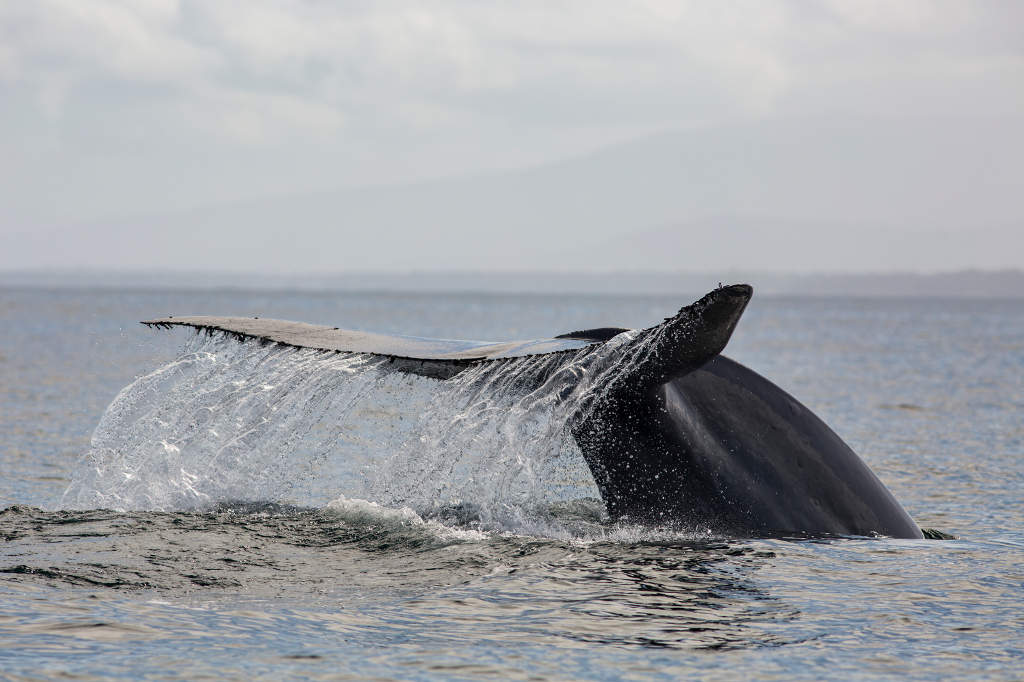
Es el animal más grande del mundo. Puede llegar a los 33 metros de largo y las 160 toneladas. Está presente en todos los océanos y se alimenta principalmente de krill. Fue intensamente cazada a inicios del siglo XX lo que afectó a su población, que para el hemisferio sur alcanza los 1.700 individuos estimados, de ellos un 13% frecuenta la Ecorregión Chiloense durante parte del verano austral. Además de su gran tamaño, se caracteriza por su tono grisaseo en parches. Su soplo es uno de los más alto de los cetáceos, alcanzando hasta los 10 metros de altura.

Estado de conservación: En peligro.

Nombre científico: Balaenoptera musculus.

Galería de imágenes

1/1 ballenaAzul